


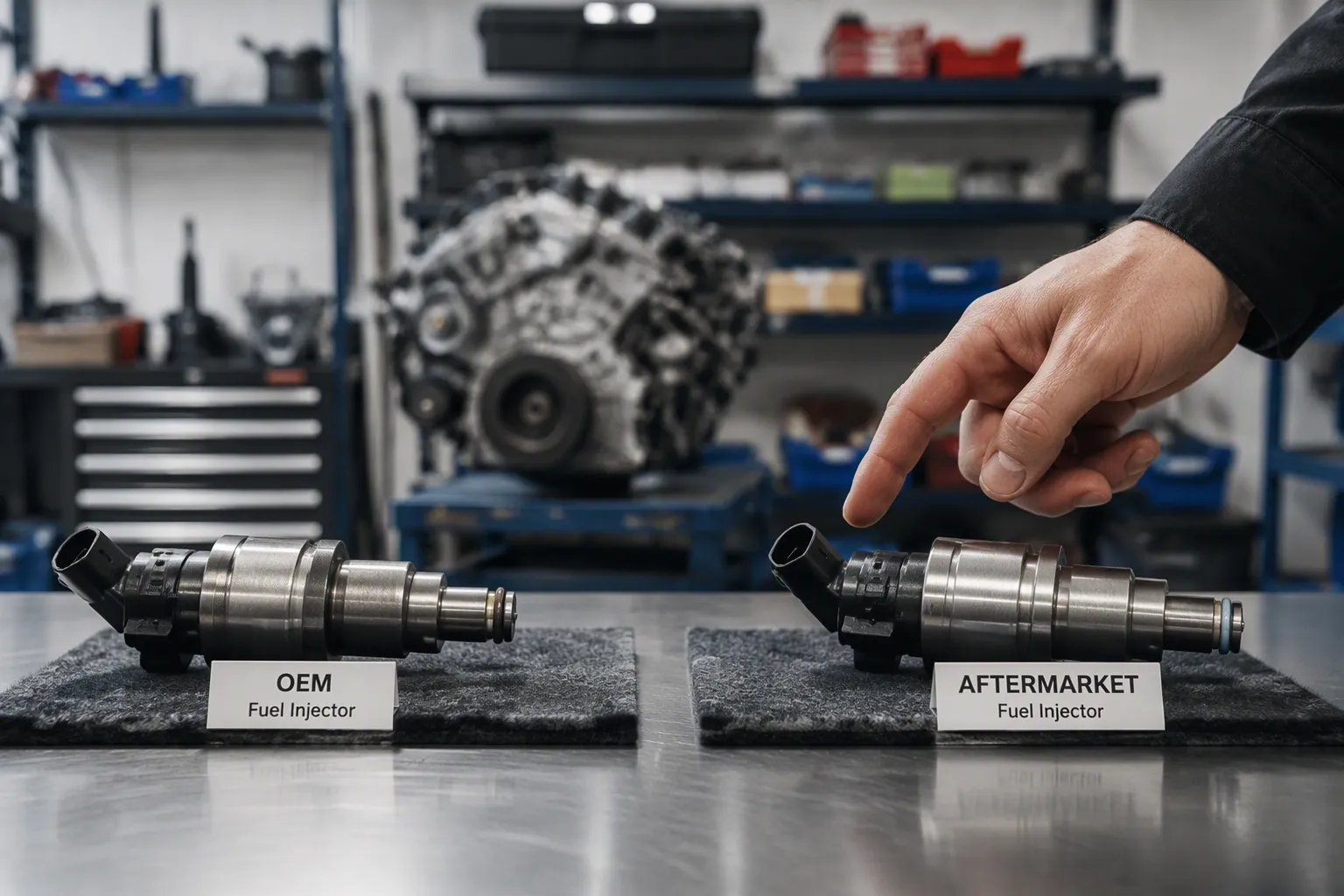
You want a clear answer about engine parts, so here it is: no single choice wins every time. The better value depends on the part itself and what you need from it. A critical component and a low-stress wear item need different buying plans. Price alone will fool you. Cost, quality, reliability, warranty, and long-term performance all matter, and each one changes the math. When you shop for Engine Spare Parts online, you face the same choice. This guide gives you a practical framework. You can use it before your next purchase and judge each part on its own merits.
Key Takeaways
Important engine parts should come from OEM or high-quality aftermarket brands.
You can safely use budget aftermarket parts on low-stress wear items.
Look at the brand's reputation, quality control, and warranty support.
Compare the total cost over time, not just the lowest price at the start.
Check the part numbers and vehicle details before you buy online.
The Short Answer On Genuine Vs. Aftermarket Parts
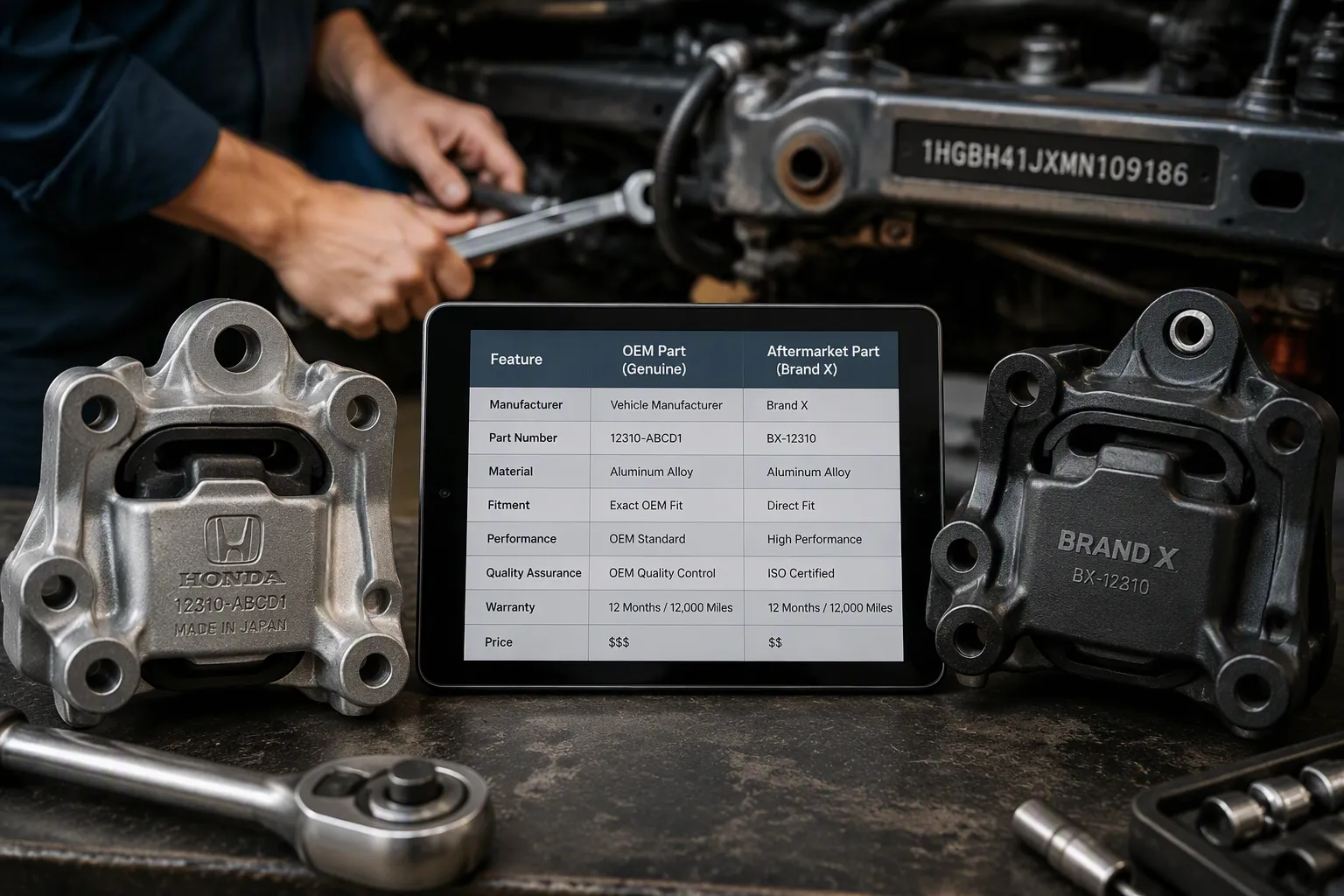
At the parts counter, you have a real decision to make. OEM parts are made by the original manufacturer or approved by them. They promise a perfect fit and steady quality. Aftermarket parts are made by other companies. They give you more choices and often cost less. Some aftermarket parts are as good as or better than OEM. Others are not. The table below shows how the main options stack up.
Part Type |
Quality Level |
Avg. Cost vs. OEM |
Typical Warranty |
Best Use Case |
|---|---|---|---|---|
OEM Auto Parts |
Manufacturer spec |
Baseline (100%) |
12–24 months |
Warranty repairs, late-model vehicles |
OES Parts |
Equivalent to OEM |
−15% to −25% |
12–24 months |
Cost-conscious OEM-quality sourcing |
Aftermarket Car Parts |
Variable (brand-dependent) |
−20% to −50% |
Lifetime to 1 yr |
High-volume shops, performance upgrades |
Remanufactured Parts |
Rebuilt to spec |
−30% to −55% |
12–36 months |
Alternators, starters, brake calipers |
Used/Salvage Parts |
Condition-dependent |
−50% to −80% |
30–90 days |
Older vehicles, discontinued OEM parts |
When OEM Parts Win
For critical engine parts, you should pick OEM. Timing parts, internal engine parts, and sensors that control fuel or spark are in this group. These parts must meet exact measurements. A tiny difference can cause big damage. OEM parts take away the guesswork. The dealer finds the right part using your vehicle identification number. You get a guaranteed fit every time. OEM car parts usually come with a one-year warranty. Dealer support gives you another layer of protection. If something breaks, you have a clear way to fix it. For a late-model vehicle still under warranty, OEM parts keep that coverage safe. You avoid any argument about non-approved components.
When Aftermarket Parts Win
Aftermarket parts are direct replacements. They do the same job as the original. They usually cost less. You can find them for almost any vehicle, even older models with discontinued OEM options. A premium group of brands, some of which are original equipment suppliers (OES), should be your first pick. These brands offer high-quality products that are tested and verified. They back them with strong technical support and clear warranty policies. As Francisco Aristizábal, Technical Specialist at AERA, explains:
"Not all aftermarket parts are created equal. There is a premium group of brands, some of which are original equipment suppliers (OES). These brands should be the first choice when considering a purchase. They offer high-quality products that are evaluated and verified, backed by strong technical and business support, and most importantly, with clear warranty policies. Often, engine manufacturers are just assemblers, not producers; they depend on specialized companies for the design and manufacture of parts. Many of these companies are part of the premium aftermarket group, developing differentiated portfolios that, in some cases, even correct design flaws found in original parts (OE)."
Independent lab testing backs this up. Tier-1 aftermarket brands always meet or beat OEM durability benchmarks. But Tier-3 no-name imports show failure rates two to four times higher in the first year. The quality range is wide. Brand reputation matters more than the label on the box.
What Makes OEM Parts Genuine
Manufacturing And Branding
An OEM (original equipment manufacturer) part comes from the company that made your vehicle. It can also come from a supplier that the company approved. The brand on the box really matters. That name links the part to the same drawings and materials used on the assembly line. You get genuine parts built to one standard, not a range of them.
Some brands make the line between OEM and aftermarket unclear. Bosch supplies BMW and Toyota as a global OE powerhouse. Denso serves the Toyota Group and other Japanese automakers. ACDelco carries a century of General Motors heritage. Magna ranks as a global Tier 1 supplier for structural and chassis systems. Dorman Products once supplied OEM-exclusive replacement parts. These names show that an OEM component and a premium aftermarket part can come from the same factory floor.
Fit, Warranty, And Dealer Support
OEM parts often cost more. You pay for certainty. The dealer looks up your vehicle identification number and hands you the exact part. That process gives you a precise fit with no measuring, no guessing, and no returns. For a late-model car, this matters most. One wrong measurement on a timing component can destroy an engine.
The warranty adds another layer. OEM car parts usually carry a one-year warranty, and some dealers extend it. If the part fails, you return to the counter and make your case once. Dealer support also gives you a real person to call when a fitment question comes up. Aftermarket sellers rarely match that access.
Genuine OEM parts make the most sense when your vehicle stays under factory warranty. They also win for any part where a small error causes large damage. The higher price buys you a shorter path to the right part and a clear path to a fix. That trade-off defines the value of genuine parts.
The Three Tiers Of Aftermarket Parts
Aftermarket parts are not all the same. They come in three tiers, and each tier tells you about quality. You need to know which tier you are buying from before you pay.
Premium And OES Brands
OES brands make high-quality aftermarket parts that meet exact OEM specifications. These companies often supply the assembly line itself. Some even design their parts to improve durability, performance, and fuel efficiency beyond the original design. You get a cheaper option than dealer pricing without losing quality. This tier is the best of the aftermarket world.
Some retailers show how the tiers can blur. They sell both OEM and aftermarket options, and quality depends on the specific part and brand you pick. Some of their parts match dealer quality. Others work as budget-friendly replacements. You must check the brand behind the box, not just the store name.
Marketing-Focused And White-Label Brands
Parts from some large auto parts chains are aftermarket products. Original equipment manufacturers do not make them. That does not make them bad, but you should treat them as aftermarket alternatives with variable quality. Some work fine for non-critical jobs. Others may not hold up under stress.
Low-cost white-label parts from online marketplaces or auction sites carry real risk. These aftermarket car parts often lack quality control and technical support. For critical engine components, they can fail early and cause serious damage. You save a few dollars upfront and pay far more later. Stick with reputable brands for anything that affects timing, fuel, or spark. When you shop for aftermarket auto part deals online, verify the seller and the brand before you buy. The same caution applies to aftermarket car parts sold through unfamiliar channels. A trusted supplier makes the difference between a smart purchase and an expensive mistake.
How To Judge OEM Vs Aftermarket Parts
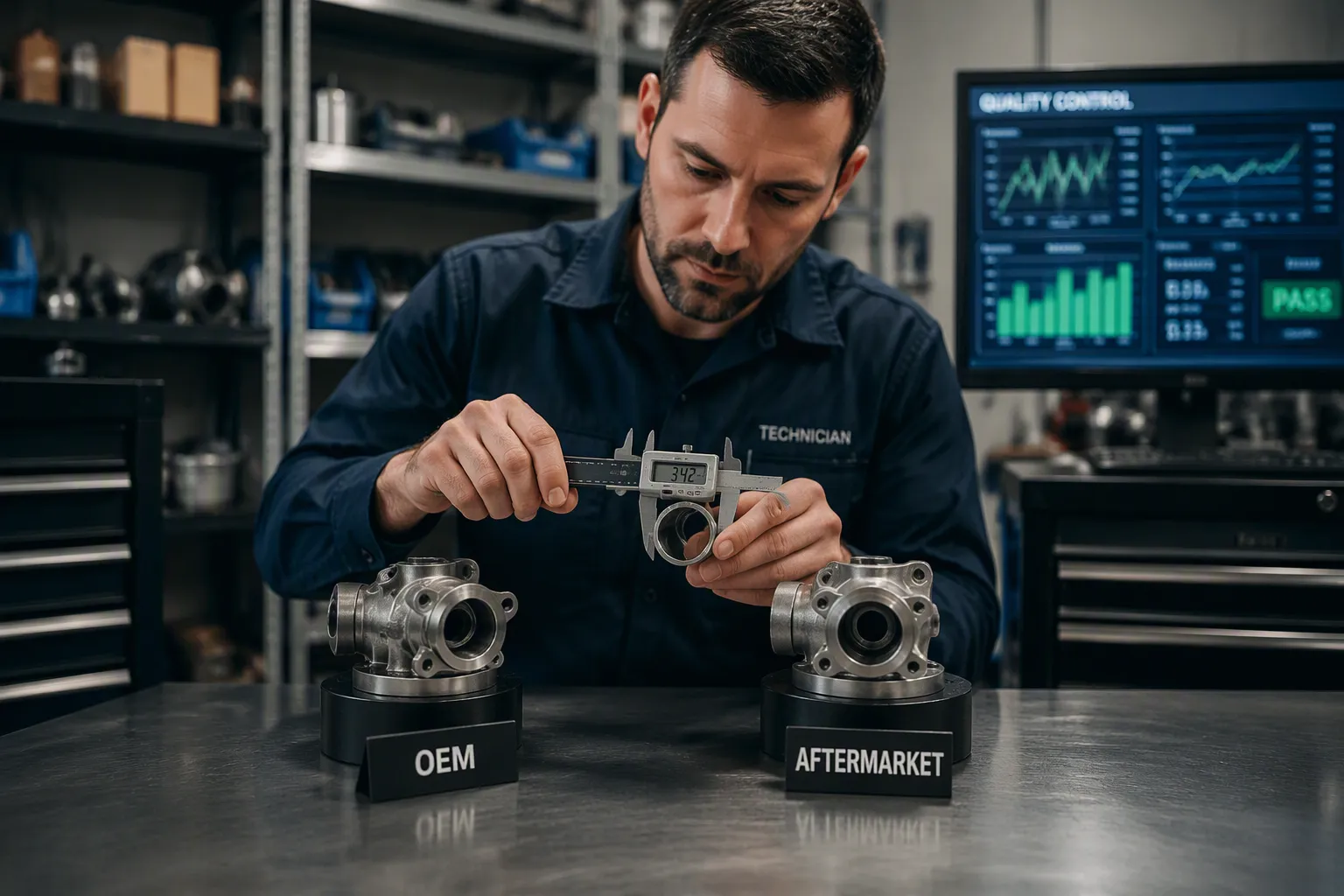
Price and availability grab your attention first. The real difference between oem vs aftermarket parts lives somewhere else. Look at quality, support, fit, and functionality. These four things separate a smart buy from a costly mistake. How fast a manufacturer responds also matters when something goes wrong.
Some aftermarket parts match or beat oem parts in every way. That result depends on the brand and the exact part. You cannot assume one label always wins. Car fans often think oem parts are better. Evidence shows some aftermarket parts can be superior. You need a way to judge each option on its own.
Brand Reputation And Facilities
A brand's reputation tells you what to expect. Top aftermarket brands put money into serious manufacturing setups. They run their own powder atomization systems, like Gas Atomization and PREP, to make ultra-pure metal powders. They bring decades of metallurgical research and development experience. That background allows custom alloy composition work and pilot production. They also run special application programs for aerospace, medical, automotive, and energy sectors.
These facilities include in-house research labs. Examples include SECO/LAB for metallographical tests, SECO/CAE for engineering, and CAB/R&D for brazing research. Advanced plasma gas atomizing wins let these brands create new materials and cut production costs. Other facilities like SECO/TECH, SECO/RETECH, and SECO/MELT support vacuum casting.
A brand with these abilities does not sell generic parts. It builds products to exact standards. When you check aftermarket auto part options, see if the maker owns real facilities or just a marketing name. That one question separates premium suppliers from box movers.
Quality Control And Technical Support
Quality control decides whether a part works as designed. Premium aftermarket brands test every batch against strict tolerances. They write down results and stand behind their work. Technical support gives you a direct line when fitment questions come up. You can call or email and reach someone who knows the product. That access matters when you install a complex component.
Warranty policies show how much a manufacturer trusts its own product. Strong warranties with clear terms signal confidence. Weak or vague policies signal the opposite. How fast a manufacturer responds ties these threads together. A company that answers questions quickly and honors claims earns your business.
Oem car parts come with dealer support and a typical one-year warranty. That setup works well for late-model vehicles. Premium aftermarket car parts often match that support level. Some beat it with longer coverage and better technical help.
You should weigh reliability and durability alongside these factors. A cheap part that fails early costs more than a premium part that lasts. The same logic applies to oem parts that carry a higher price without added benefit. Judge each option by its track record, its support system, and its fit for your specific vehicle. That approach delivers real value every time.
Finding Engine Spare Parts Online
When you buy engine spare parts online, you have a lot of choices. The best plan starts with knowing what kind of part you need. Critical parts and wear items need different plans. Your budget, mileage, and how long you keep your car all change the answer.
Critical Components Versus Wear Items
Critical engine parts control timing and fuel delivery. Timing chains, oil pumps, and pistons are in this group. If any of these parts fail, the motor can be destroyed. Pick oem or high-quality aftermarket parts from brands people trust. The risk is too high for a cheap part. A failed timing component costs you a whole engine replacement.
Wear items face less stress. Belts, hoses, and filters are examples. Find an aftermarket auto part for these at a lower price. These parts do not need extreme precision. Budget options work well here. You save money without risking major damage. A water pump sits between a wear item and a critical part. When you are not sure, choose oem parts or premium aftermarket options.
Budget, Mileage, And Ownership Plans
How long you keep your car and your mileage change the math on oem or aftermarket parts. Aftermarket products can save money in the short term. They work well at first. But do not be tempted by their cheapness alone. Aftermarket car parts show lower quality than oem parts over time. Their reduced durability shortens their lifespan. For a vehicle you plan to keep for a short time, budget options can make sense. For a vehicle you drive daily for many years, oem car parts deliver lower total cost.
Evaluate total cost of ownership, not just the upfront price. A cheaper part that fails early leads to more labor charges and secondary damage. Oem parts reduce these risks considerably. For longer ownership periods, the higher initial cost of oem parts translates into lower cumulative expenses. You face fewer unexpected repairs over the vehicle life. Choose an oem component for critical systems. Choose premium aftermarket parts for non-critical systems. The right choice depends on your situation.
Always check every part against your vehicle specs before ordering. Check the part number when you buy engine spare parts online. Fitment matters more than price. Searching for engine spare parts online requires you to look beyond the lowest price. Confirm the specs and buy from a trusted source. This process protects your investment and keeps your vehicle running reliably.
Here is the main point. Pick each part based on what you need. For important parts, oem parts or top aftermarket parts give you the best value. A timing chain failure costs more than what you save on a cheap part. For less important parts, budget aftermarket parts work just fine. Oem parts and genuine parts have the same quality level. Check every part against your vehicle specs. Think about warranty, how long you keep your car, and how critical the part is. Do not let price alone make your decision. Oem parts win when not knowing costs too much. Aftermarket parts win when you have room to choose. Oem parts fix real problems. Oem gives you certainty. Pick oem when the risk is high. Oem gives you steady quality.
FAQ
Are aftermarket parts safe for critical engine components?
It depends on the brand you pick. Premium and OES aftermarket brands meet or beat OEM durability benchmarks. Budget white-label parts from marketplaces carry real risk. For timing chains, oil pumps, and pistons, choose OEM or a trusted premium aftermarket brand. A cheap part here can destroy your whole engine.
Are OEM parts always better than aftermarket parts?
No. OEM parts guarantee fit and steady quality. Premium aftermarket parts often match that quality and cost less. Some even fix design flaws found in the original part. The label alone does not decide quality. Brand reputation and the specific part matter more than the OEM badge.
How do I verify a part fits my vehicle before buying online?
Check the part number against your vehicle specifications every time. Fitment matters more than price. Use your vehicle identification number when possible. Confirm the seller and the brand before you pay. One wrong measurement on a timing component can cause serious engine damage.
Can premium aftermarket parts outperform OEM parts?
Yes, in some cases. OES brands supply assembly lines and build parts to exact OEM specifications. Some engineer their products for better durability, performance, and fuel efficiency than the original design. Independent lab testing shows Tier-1 aftermarket brands meet or beat OEM durability benchmarks.


